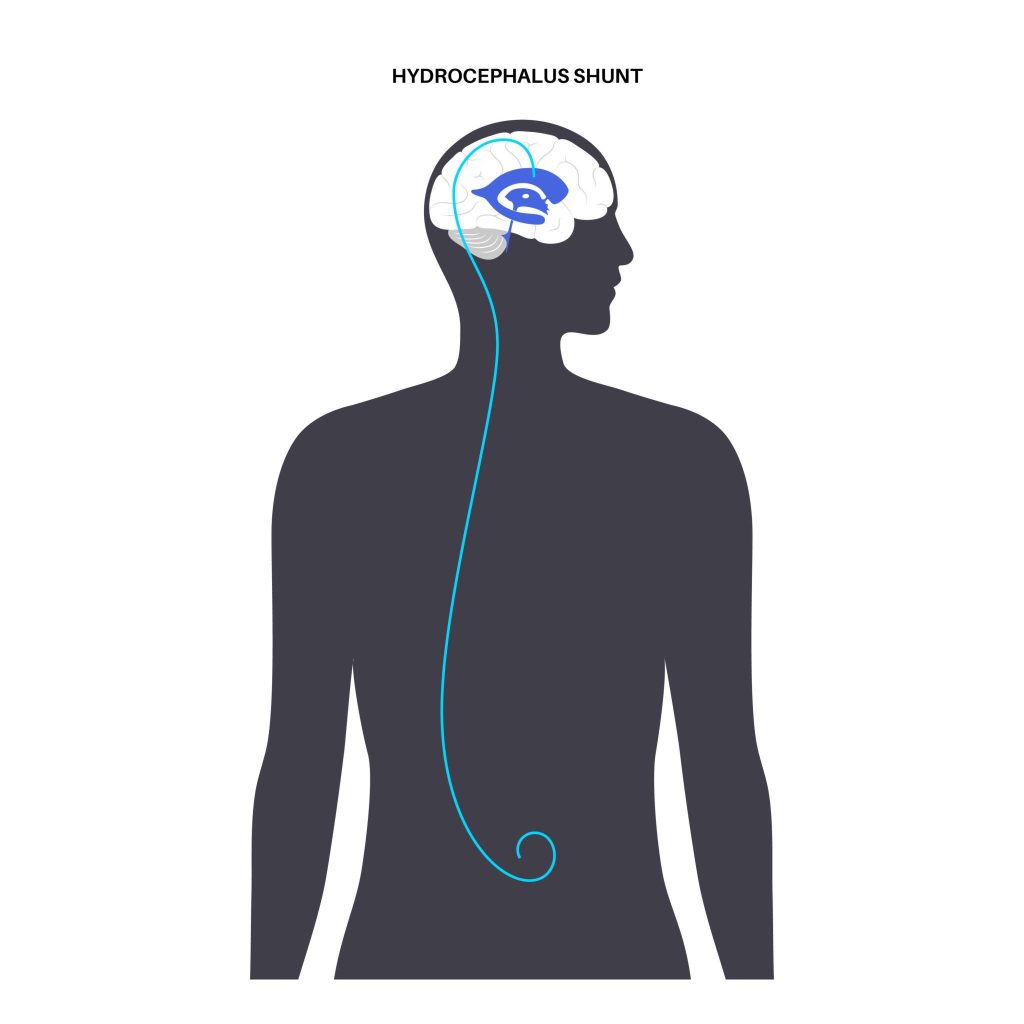
Hydrocephalus is a medical condition in which excess cerebrospinal fluid (CSF) accumulates in the cavities (ventricles) of the brain. This buildup increases pressure inside the skull and can damage brain tissue if left untreated.
Common Signs and Symptoms
Congenital Causes
Birth defects affecting the development of the brain and spinal cord.
Genetic abnormalities.
Infections during pregnancy such as rubella and toxoplasmosis.
Premature birth leading to bleeding in the brain.
Congenital Causes
Brain tumors blocking the flow of CSF.
Head injuries.
Meningitis and other infections of the nervous system.
Stroke and brain hemorrhage.
Complications after surgery.
Pathophysiology of Hydrocephalus
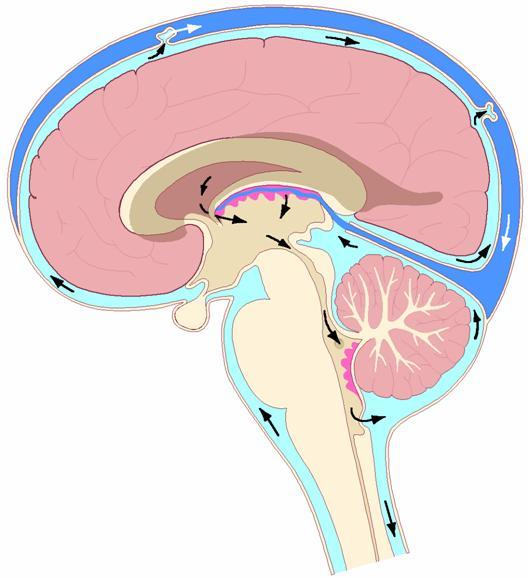
Normally, cerebrospinal fluid is produced in the ventricles, circulates around the brain and spinal cord, and is absorbed into the bloodstream. Hydrocephalus occurs when:
Too much CSF is produced.
The flow of CSF is blocked.
The absorption of CSF is impaired.
The accumulated fluid enlarges the ventricles and increases intracranial pressure, which may damage brain cells and interfere with normal brain function.